 551-303-7800
 revolutiondanceacad@gmail.com

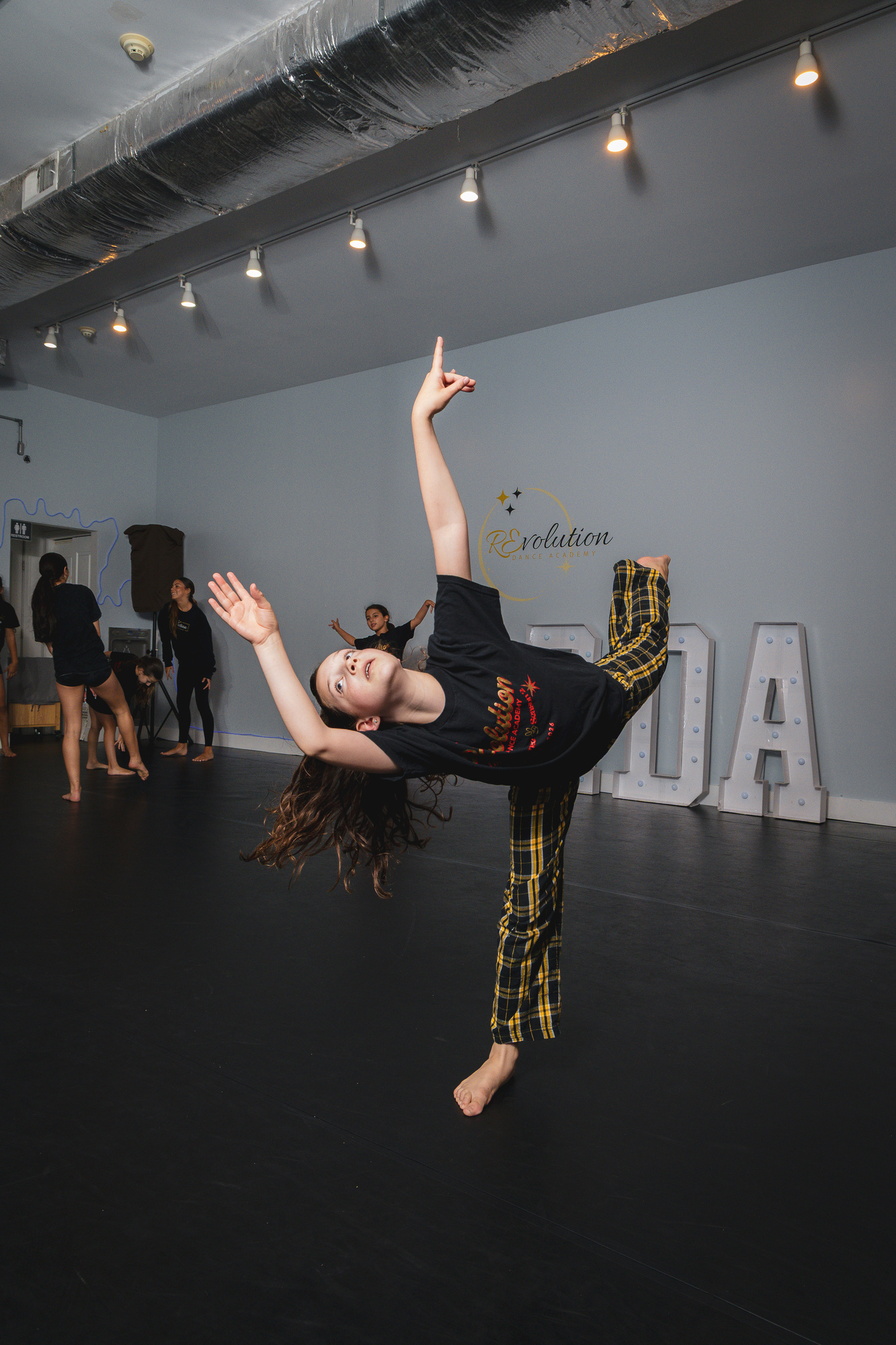
The right dance style for your child depends on 3 things: age, temperament, and goal. A 4 year old who cannot stop cartwheeling needs a different first class than a 9 year old who wants to compete. Compare the 9 styles offered in kids dance classes below, then shortlist 1 or 2 worth trying.
What Should You Consider Before Picking a Class?
Weigh 3 factors before enrolling:
- Age, because technique styles expect a longer attention span than movement styles
- Temperament, because some children want structure and others want freedom
- Goal, because recreational dancers and competitive dancers follow different tracks
Which Dance Styles Can Kids Take?
Nine styles cover the full range from technique to athleticism. Match the child to the style:
- Structure and precision: ballet
- Energy and personality: hip hop
- Music and rhythm: tap
- Performance and polish: jazz
- Emotion and storytelling: contemporary and lyrical
- Tumbling and strength: acro
- Athletics and floorwork: breaking
- Pop-star choreography and formations: K-pop
- Cheer motions and team energy: cheerfunk
Who Should Take Ballet?
Ballet suits children who like structure, precision, and visible progress. Ballet classes for kids teach the alignment and vocabulary every other style borrows from, which makes ballet the strongest first technique class.
Who Should Take Jazz?
Jazz suits children who want performance energy with real technique underneath. Jazz builds on ballet fundamentals and adds sharp isolations, turns, and leaps set to upbeat music.
Who Should Take Hip Hop?
Hip hop suits children with energy to burn and no patience for a barre. Kids hip hop classes require no prior training, reward personality, and teach rhythm through grooves and freestyle.
Who Should Take Tap?
Tap suits musical children who listen more than they watch. Tap classes for kids turn footwork into sound, which builds timing and counting faster than any other style.
Who Should Take Contemporary and Lyrical?
Contemporary and lyrical suit children who connect to a song emotionally. Both blend ballet lines with jazz freedom and teach storytelling, so they work best after a season of technique.
Who Should Take Acro?
Acro suits the child already tumbling across your living room. Acro dance classes combine dance with controlled tumbling and build strength, flexibility, and balance under a trained spotter.
Who Should Take Breaking?
Breaking suits athletic children drawn to power moves and floorwork. Classes teach toprock, footwork, and freezes in a style that debuted as an Olympic sport in 2024.
Who Should Take K-Pop?
K-pop suits children who already know the routines from music videos and want to perform them for real. Classes teach sharp choreography and tight group formations, and no studio experience is required.
Who Should Take Cheerfunk?
Cheerfunk suits high-energy children drawn to big, bold movement, including cheerleaders who want to sharpen their dance technique. Classes blend crisp cheer-style motions with funky choreography built to be performed as a team.
Does Style Choice Matter for a Beginner?
Style choice matters less than consistency in the first year. Beginners in every style learn the same fundamentals of counting, spatial awareness, and class etiquette, so a child who enjoys the room progresses faster than one placed in the technically correct class.
What Should a 2 to 5 Year Old Start With?
Preschoolers should sample rather than specialize. Toddler classes rotate through several styles in one session, so a 3 year old meets ballet, tap, and tumbling long before anyone asks her to choose one.
Can a Child Take More Than One Style?
Most dancers add a second style in year two. Check the dance class schedule for combinations that fit into a single evening.
When Should a Dancer Switch Styles?
Switch at the end of a season, not the middle. Choreography is built around the dancers in the room, so a mid season move disrupts a routine, and a full season gives a child enough time to judge a style fairly.
How Do You Try a Style Before Committing?
Book a free trial dance class in the style you are considering, then decide after watching one session.